
June 4, 2026
MiAlgaePet: Omega 3s to help old dogs learn new tricks
Aging is inevitable. Declining mobility doesn’t have to be.
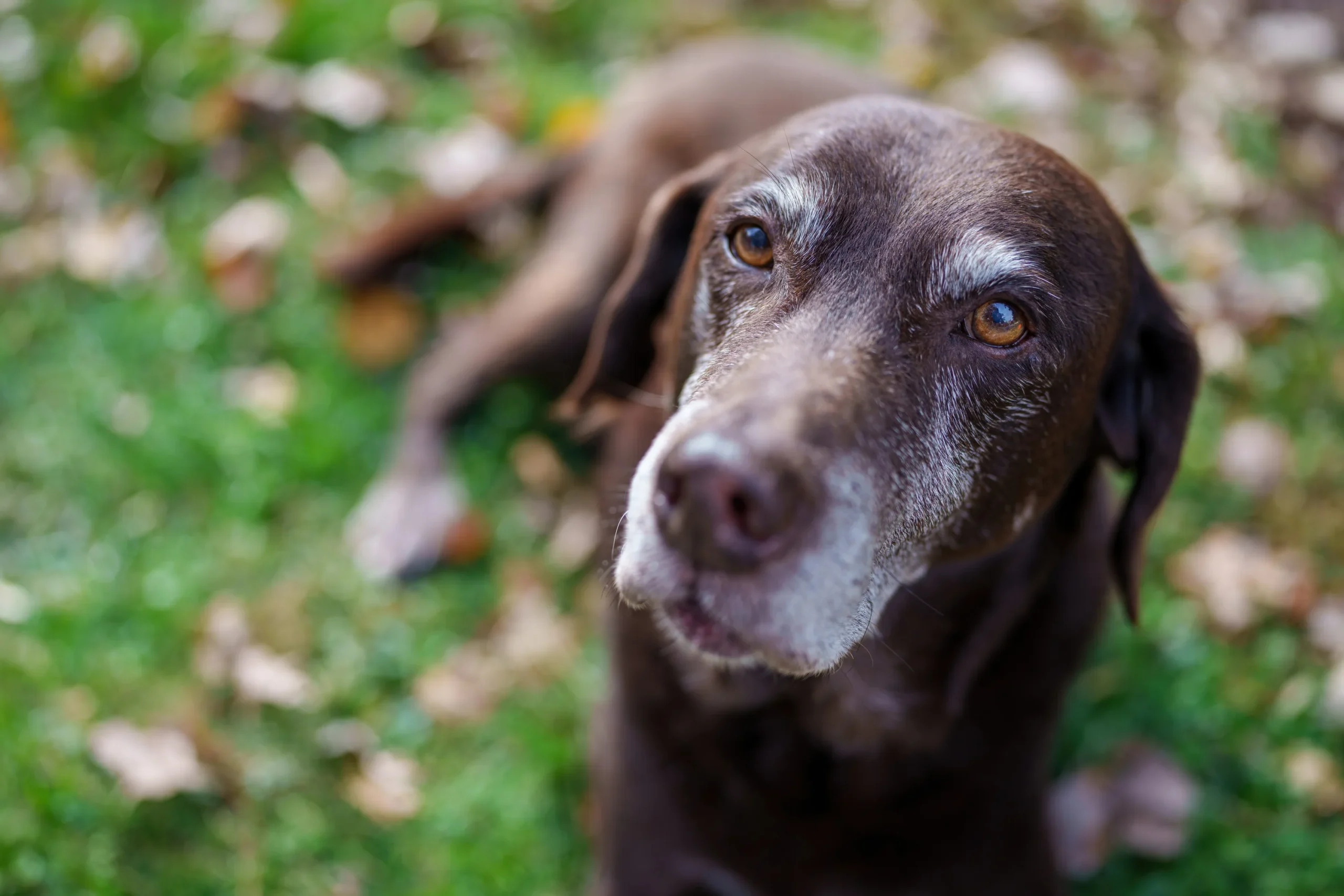
For dogs, joint stiffness is often the first sign that time is catching up. Slower starts after rest. Hesitation on the stairs. Shorter walks that end sooner than they used to. For pet owners, these changes are more than physical, they’re emotional. They’re a sign that their beloved pets are starting to struggle.
That’s where nutrition steps in, not as a passive support, but as an active lever for pain free pets.
Age-related joint decline in dogs is largely driven by chronic inflammation. Conditions like osteoarthritis slowly erode cartilage, limiting movement and increasing discomfort over time. If you want to protect mobility, you have to address inflammation at the cellular level.
That’s why marine Omega 3 fatty acids matter.
Long-chain Omega 3s are proven to help regulate inflammatory pathways inside the joint. DHA, one of these long chain Omega 3s, plays a critical role in cellular function and inflammatory control, making it a cornerstone nutrient for senior dog health. This isn’t trend-driven nutrition. It’s biology doing what it does best when it’s given the right tools.
However not all Omega 3s are created equal, and here’s the part the industry often glosses over. ALA, which is a the most common plant-based Omega 3 (i.e. from flaxseed), doesn’t deliver the same results. DHA is the type of Omega 3 that delivers the functional benefit. Dogs do not convert ALA into DHA efficiently, yet ALA is still the predominant Omega 3 found in dog diets, meaning most of the Omega 3 goes to waste.
When DHA-rich Omega 3s are consistently built into senior pet diets, the difference shows up where it matters. Dogs move more freely. They get up more easily. Walks become something they look forward to again. For pet owners, those small wins are everything – reflected by a growing focus on proactive choices, including nutrition, that help support comfort and mobility as dogs age.
Historically, fish oil (usually salmon oil) has been the default Omega 3 source in pet food. But this no longer works. The amount of DHA in salmon oil is reducing year on year and becoming increasingly variable. Marine ecosystems are under pressure which has drastically reduced the amount of fish in the diets.
The industry is standing at an inflection point: keep pulling from the same shrinking resource, or rethink Omega 3s entirely.
MiAlgae takes a fundamentally different approach. Instead of extracting Omega 3s from fish, we produce them directly from algae, the original source of DHA in the marine food chain.
By cutting fish out of the equation, algal Omega 3s deliver the same bioavailability and performance, with radically improved consistency and environmental responsibility. It’s scalable. It’s sustainable. And it’s built for brands that want to future-proof their formulations without compromising on efficacy.
This isn’t just a new ingredient. It’s a reset for how the pet nutrition industry thinks about mobility, sustainability, and what’s possible next.
This is the next big thing in the pet food space.